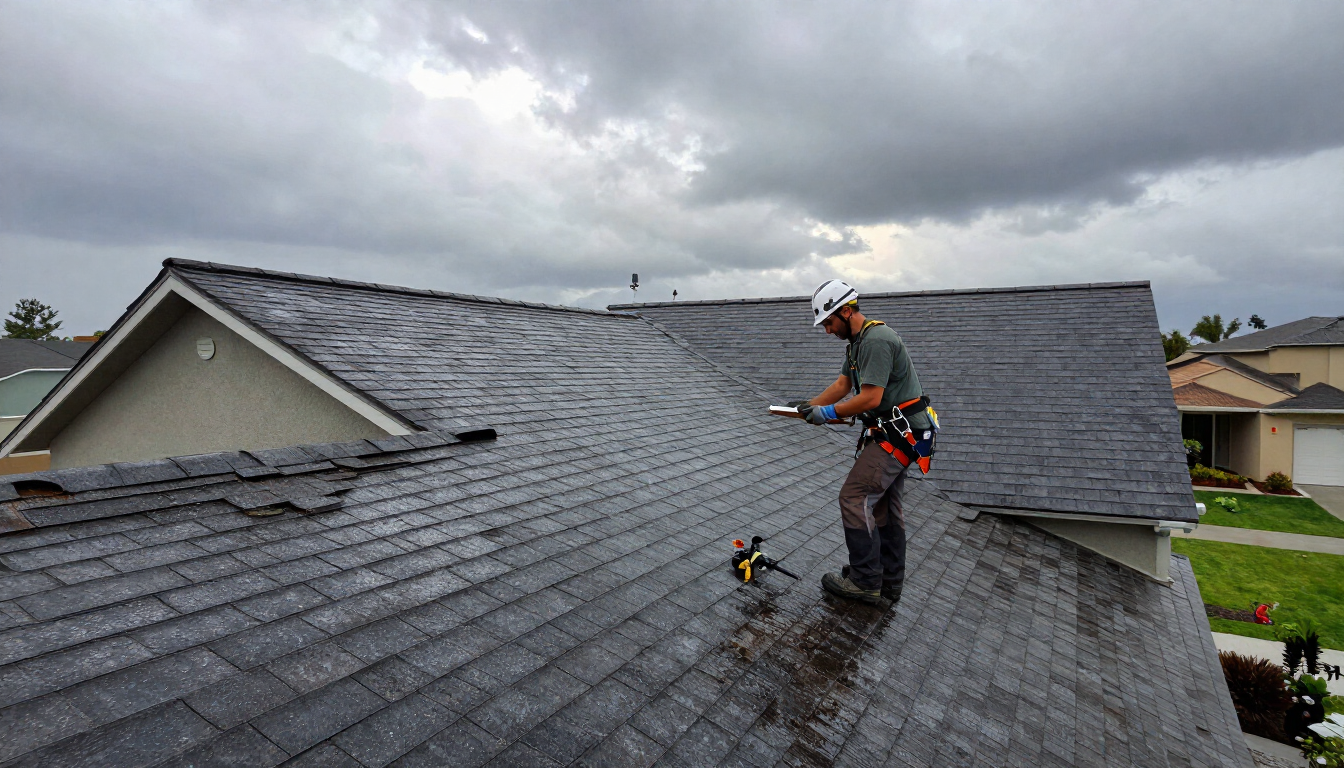
7 Signs You Need San Jose Roof Repair
San Jose roof repair is needed when your roof shows leaks, missing or damaged shingles, sagging, daylight through the attic, or widespread aging. Prompt repairs can prevent structural damage, mold, and higher replacement costs. Regular gutter cleaning and maintenance also protect roofing materials by directing rainwater safely away from your home.
What are the most common signs your roof needs repair?
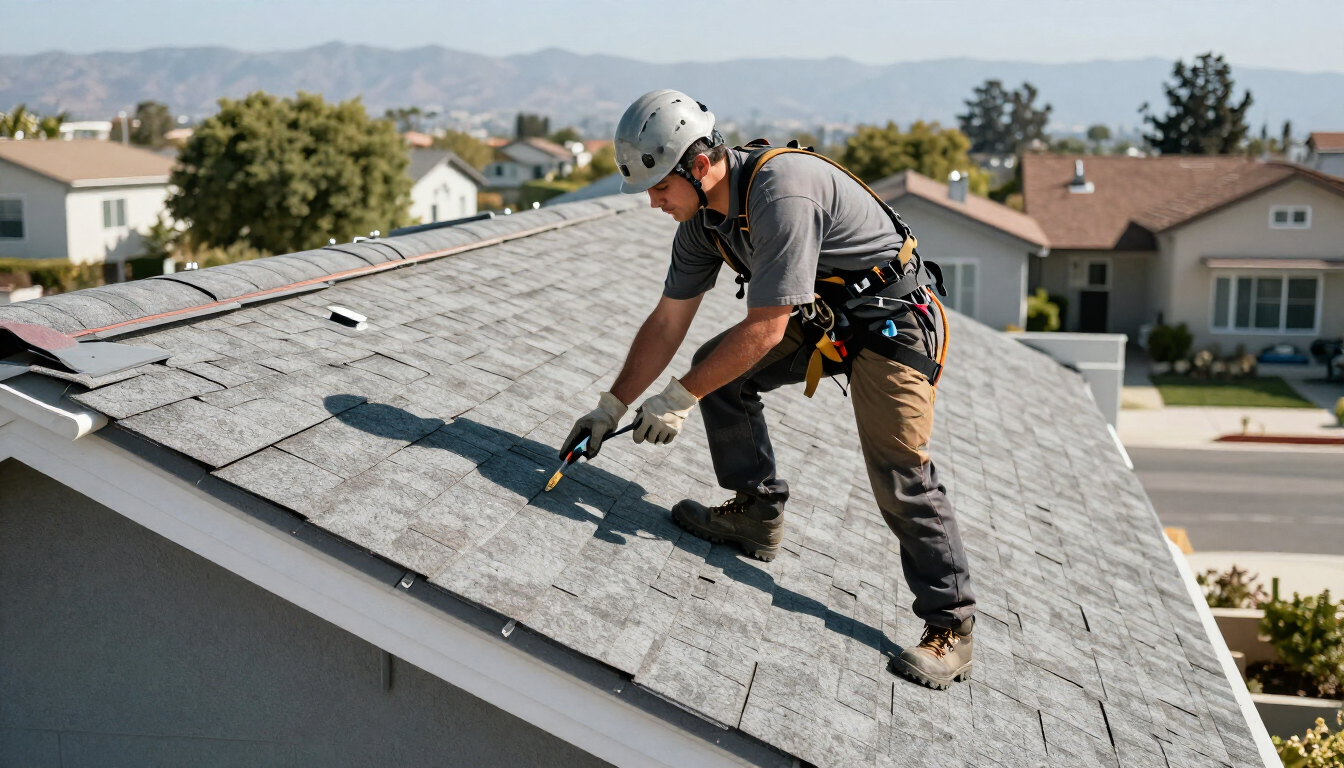
Roof problems do not always begin with a dramatic leak. Small changes in roofing materials, attic conditions, or interior walls can signal that water is entering where it should not. Check for these warning signs during routine home maintenance:
- Water stains or active leaks: Brown ceiling marks, damp insulation, peeling paint, or dripping water usually indicate a damaged roof surface, flashing problem, or blocked drainage path.
- Missing, cracked, or curling shingles: Shingles protect the underlying roof system. When they break down, wind-driven rain and sunlight can reach the layers beneath.
- Granules in gutters or downspouts: A small amount may be normal, but large quantities can mean asphalt shingles are losing their protective coating.
- Sagging roof sections: A dip or uneven line may indicate trapped moisture, weakened decking, or structural deterioration. This requires prompt professional evaluation.
- Daylight in the attic: Light coming through the roof deck can identify holes, separated seams, or areas where flashing has failed.
If you notice more than one of these conditions, schedule a roof inspection rather than waiting for the next storm. A professional can distinguish a localized repair from a problem affecting the entire roof system.
How does San Jose weather affect roofing materials?
San Jose’s relatively dry climate can make roof damage easy to overlook. Long periods of sunshine expose shingles to ultraviolet radiation, while occasional heavy winter rain tests flashing, valleys, vents, gutters, and downspouts. Wind can lift aging shingles, and temperature changes can cause roofing materials to expand and contract.
Homes near mature trees may face additional risks. Falling branches can puncture shingles, while leaves and needles collect in gutters and valleys. Moss and algae may also develop in shaded areas where moisture remains longer. These issues are not only cosmetic: they can shorten roof life and create pathways for water.
Seasonal maintenance is especially valuable before the rainy season. Look for loose flashing around chimneys, skylights, vents, and wall intersections. Do not walk on a steep or fragile roof yourself; a trained roofing contractor has the equipment and experience to inspect it more safely.
Repair or replacement: which option is right?
The correct choice depends on the roof’s age, the extent of damage, previous repairs, and the condition of its underlying components. A repair may be practical when damage is isolated and the rest of the roof remains strong. Replacement is often more appropriate when failures are widespread or the roof is near the end of its expected service life.
Roof repair may make sense when:
- Damage is limited to a few shingles or one flashing area.
- The roof deck is dry and structurally sound.
- Previous repairs have not created multiple overlapping problem areas.
- The roofing system is relatively young.
Roof replacement may be more cost-effective when:
- Shingles are brittle, curling, or missing across broad sections.
- Leaks appear in several rooms or locations.
- The roof has repeated repair history.
- Decking, underlayment, or structural components are deteriorated.
A reliable evaluation should explain the cause of the issue, the recommended scope of work, expected durability, and any urgent risks. Be cautious of estimates that recommend a complete replacement without identifying specific evidence of system-wide failure.
Why are gutters important for roof protection?
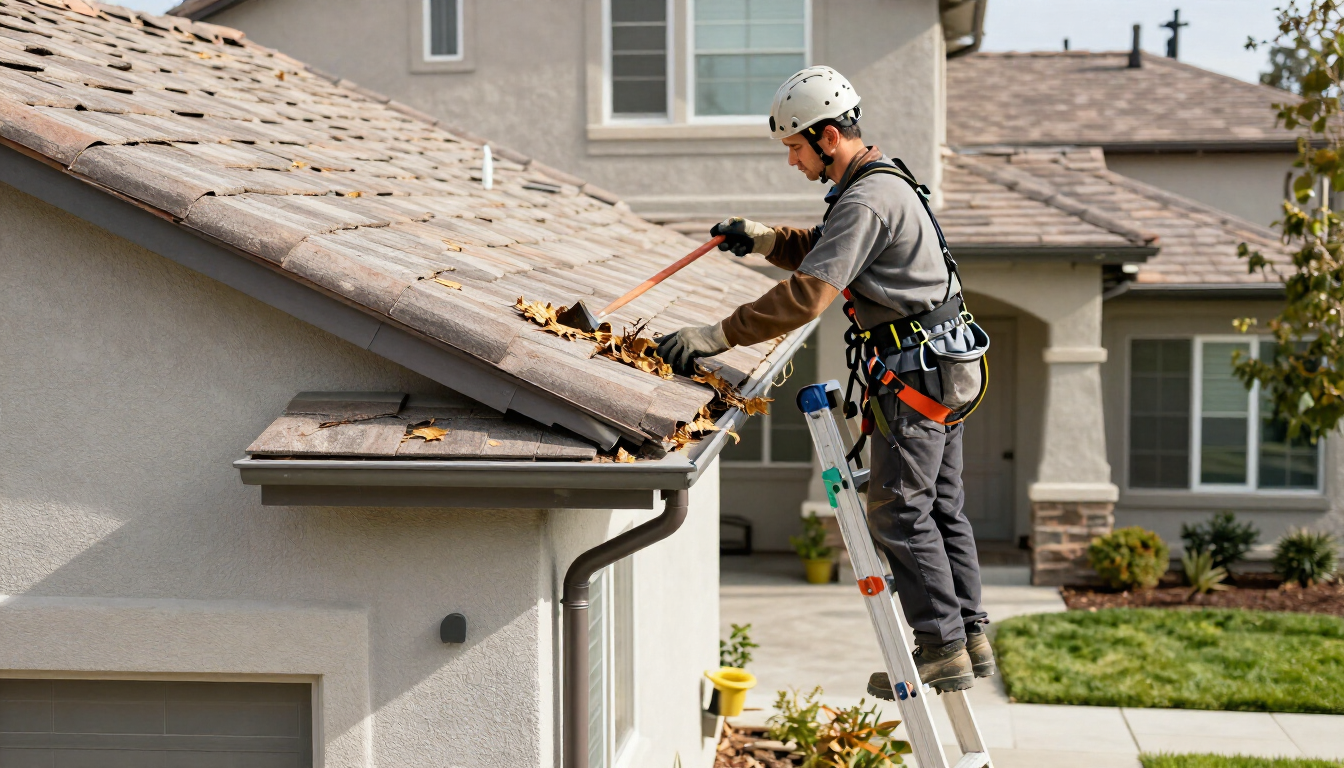
Gutters collect rainwater at the roof edge and move it through downspouts to a safe discharge area. When gutters are clogged, water can back up beneath shingles, overflow against fascia boards, soak exterior walls, or pool near the foundation. Over time, this moisture can damage roof edges and create expensive repair problems.
Gutter care supports roof performance in several ways:
- It reduces standing water along roof edges and in valleys.
- It protects fascia and soffits from repeated moisture exposure.
- It limits erosion near the foundation and landscaping.
- It helps reveal roof granules, shingle pieces, or debris that may indicate roof deterioration.
- It keeps downspouts functional during heavy rainfall.
Gutters should be inspected after storms and cleaned when leaves, needles, or sediment restrict flow. Homes beneath trees may need more frequent service. Gutter guards can reduce debris buildup, but they do not eliminate the need for inspection and occasional cleaning.
How often should San Jose homeowners clean their gutters?
Many homes benefit from gutter cleaning at least twice a year: once before the wetter season and again after major leaf fall. The ideal schedule depends on nearby trees, roof design, gutter guards, and the amount of debris on the property.
Inspect or arrange service sooner when you notice:
- Water spilling over the gutter edge during rain.
- Sagging gutters or separated joints.
- Plants growing inside the gutter channel.
- Rust, holes, or staining on the gutter surface.
- Pools of water or soil collecting below downspouts.
Never lean an unsecured ladder against fragile gutters or attempt high, steep, or difficult-to-access areas without appropriate safety equipment. Professional gutter cleaning can be safer and can include an inspection of hangers, seams, downspouts, and drainage outlets.
What should a roof inspection include?
A useful inspection looks beyond visible shingles. The contractor should review the roof surface, flashing, penetrations, valleys, ventilation, gutters, downspouts, and accessible attic areas. They should also document problem locations with photographs when possible.
Ask for clear answers to these questions:
- What caused the damage?
- Is the issue localized or widespread?
- Is the roof deck or framing affected?
- Can the roof be repaired reliably?
- What maintenance should happen next?
If you are comparing contractors, review the company’s services , previous project photos in the gallery , and customer feedback through the customer testimonials page. A written estimate should identify materials, labor, preparation, cleanup, warranties, and exclusions.
Signs a commercial roof needs attention
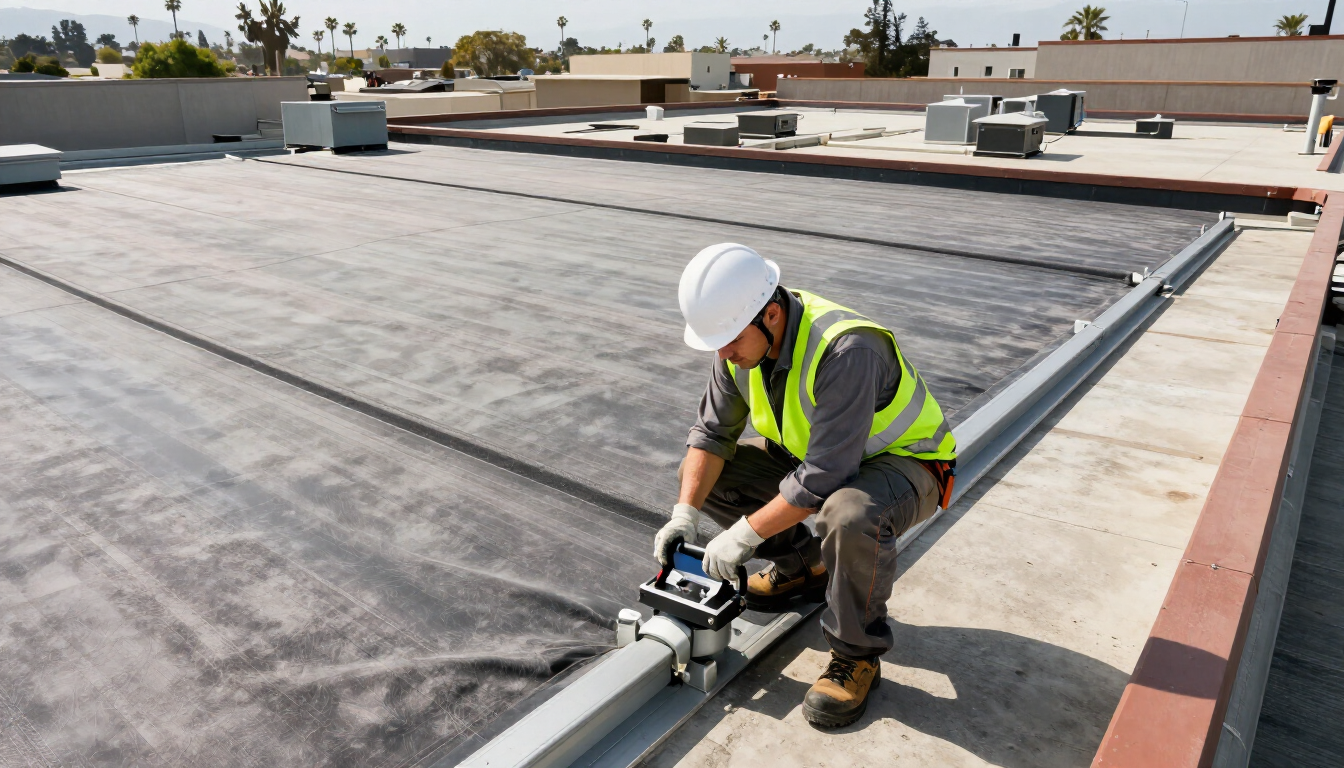
Commercial property owners should watch for interior ceiling stains, ponding water, damaged membrane seams, clogged drains, lifted edge metal, and unusual increases in heating or cooling costs. Flat and low-slope roofs can hold water after rainfall, making drainage maintenance especially important.
Schedule commercial inspections at planned intervals and after severe weather. Keeping records of inspections, repairs, and gutter service can help identify recurring issues and support budgeting. Early attention may prevent water damage to inventory, equipment, insulation, electrical systems, and occupied spaces.
Frequently asked questions
Can a small roof leak wait?
Usually, no. Even a small leak can spread through insulation, decking, drywall, and framing. Place a container under active drips, move valuables away from the area, and arrange an inspection promptly. Avoid covering electrical fixtures with wet materials or entering unsafe attic spaces.
Does a new roof eliminate gutter maintenance?
No. A new roof still depends on clear gutters and working downspouts. Poor drainage can damage roof edges, fascia, siding, landscaping, and foundations regardless of roof age.
Are roof stains always proof of a current leak?
Not always. A stain may come from an old leak, condensation, plumbing, or an intermittent flashing failure. However, it deserves investigation, especially if it grows, feels damp, or appears after rainfall.
When should homeowners consider gutter guards?
Gutter guards may help properties with heavy leaf accumulation or difficult roof access. They should be selected and installed correctly, then inspected regularly because debris can still collect on top or beneath the system.
Key takeaways for San Jose property owners
San Jose roof repair is most manageable when addressed early. Inspect for leaks, damaged shingles, sagging, attic daylight, and roof granules before minor issues become structural problems. Keep gutters and downspouts clear so rainwater leaves the roof efficiently, and use professional inspections for steep, aging, commercial, or difficult-to-access systems. Start by documenting visible warning signs, then compare a repair recommendation with the roof’s age and overall condition. For broader maintenance guidance, visit the company homepage or explore its services before scheduling an evaluation.
Recent Posts